Indented acne scars
Resurfacing may soften their appearance. The shape and depth of a scar affect which approach is useful.
 Perth
NANOFRACTIONAL RF RESURFACING
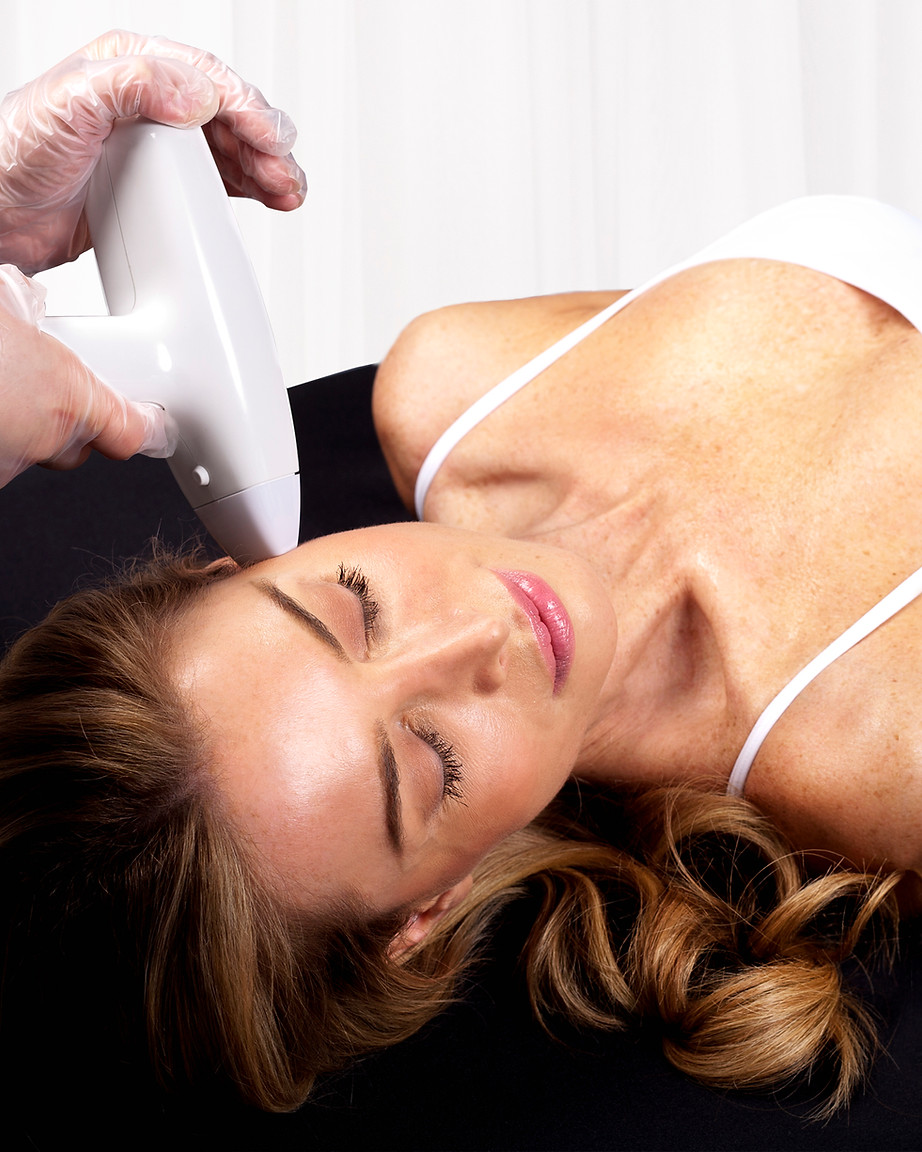
Fractional radiofrequency creates small treatment zones in the skin to improve the appearance of uneven texture, visible pores, indented acne scars and lines.
THE FRACTIONAL PATTERN
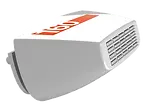
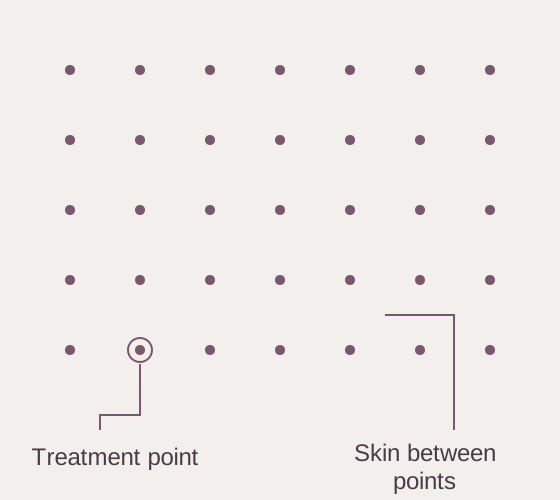
The applicator places pin electrodes against the skin. Radiofrequency energy creates small areas of ablation and coagulation, with untreated tissue between the treatment points.
SmartScan allows the treatment pattern to be selected. Pattern and energy are chosen for the skin and concern; a stronger treatment is not automatically more appropriate.
LOOK CLOSELY AT TEXTURE
A depressed acne scar, a flat colour mark and an active breakout are different concerns. Identifying the type of change is the starting point for choosing resurfacing.
Resurfacing may soften their appearance. The shape and depth of a scar affect which approach is useful.
The aim is a smoother-looking texture. Results develop as treated skin heals.
Their appearance may improve, but pores remain a normal part of the skin.
Painful or inflamed breakouts need assessment before scar treatment. Flat brown or red marks may need a different approach.
A CLOSER LOOK AT THE EVIDENCE
23participants analysed
6 monthsfollow-up after the course
Following three monthly treatments, this small study reported improved scar-volume measurements over six months. Pigment changes occurred in three participants.
A small, single-centre study using specific settings, not a prediction of your result. Published in the Journal of Cosmetic Dermatology, 2020.
DURING TREATMENT
The tip is placed against the skin and delivers RF energy in controlled passes. You may feel brief heat or a prickling sensation. Tell your practitioner how it feels so comfort can be monitored.
Treatment settings and comfort measures vary. Studies have reported different pain experiences, so one published average is not a promise of how your appointment will feel.
AFTER RESURFACING
Recovery varies with treatment intensity. Allow for redness and sensitivity lasting from a day to several days. A general planning guide, not a fixed healing schedule. Your treatment settings and skin response may change the timing. Follow the aftercare given for your appointment.
Redness and warmth are expected possibilities. Keep the area clean and use only recommended products. Avoid rubbing or scratching.
Continue sun protection and the recommended skincare plan. Avoid strenuous exercise and hot baths during the first two days.
More intensive treatments may need up to five days of recovery, sometimes longer. Do not pick rough or healing skin; confirm when to restart makeup and active skincare.
Ask for advice if pain is severe, the reaction worsens, or you develop blistering or signs of infection.
CHOOSING SAFELY
NanoFractional RF resurfacing is used for the appearance of uneven texture, indented acne scars, visible pores and lines. Active inflammation and flat colour marks need assessment rather than assuming they need the same treatment.
Venus patient guidance describes three to four treatments, often four to six weeks apart. Your area, skin response and goals determine the actual plan.
Please confirm the duration for your area when booking. LOMORE's current pricebook does not publish a Viva appointment length; manufacturer treatment-time estimates are not a confirmed local booking duration.
You may feel prickling and heat, followed by warmth. Published Viva studies report differing pain experiences, so a low average from one study cannot predict yours. Discuss comfort measures and report excessive pain during treatment.
Redness, warmth, swelling and surface roughness can follow resurfacing. Manufacturer guidance ranges from about a day to several days depending on intensity; individual recovery may take longer.
Avoid tanning and arrive with clean skin. Bring details of medicines, skincare and recent procedures; ask which products to pause and follow your preparation instructions.
Keep the area clean, avoid picking, and use only recommended products initially. Avoid tanning and excessive heat. Confirm when to restart makeup, active skincare and sunscreen; do not assume next-day makeup suits every treatment intensity.
Changes can develop after the treatment course. Skin continues to age, and maintenance may be discussed according to your response. Permanent scar removal or permanently pore-free skin cannot be promised.
RF does not target pigment in the same way as IPL, but pigment changes can still occur after resurfacing. Skin tone, past reactions and treatment settings need assessment; suitability is not determined by skin tone alone.
Dermapen uses mechanical microneedling. Viva delivers fractional RF energy for resurfacing. They differ in how they affect the skin, treatment sensations and recovery; neither is automatically the better choice for every scar.
Tell us about pregnancy, implanted devices, medicines, recent treatments, active skin problems, cold sores and any history of raised scars or slow healing. These details help determine whether treatment or further medical advice is appropriate.
No. DiamondPolar is a separately priced optional addition. The main Viva price covers resurfacing; discuss the addition if firmness is also a treatment goal.
PLAN YOUR TREATMENT
Discuss the area, the type of scar or surface change, and the recovery time you can allow.
Book Venus VivaSkin consultation